Table Of Content
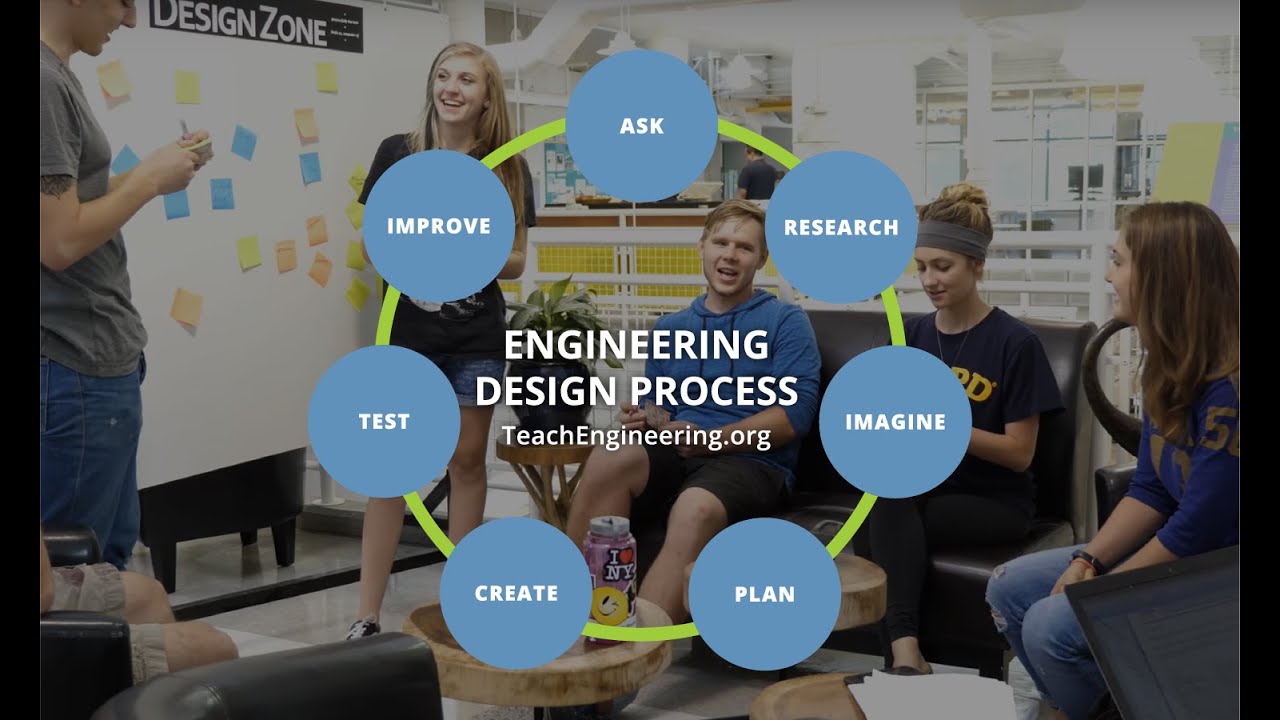
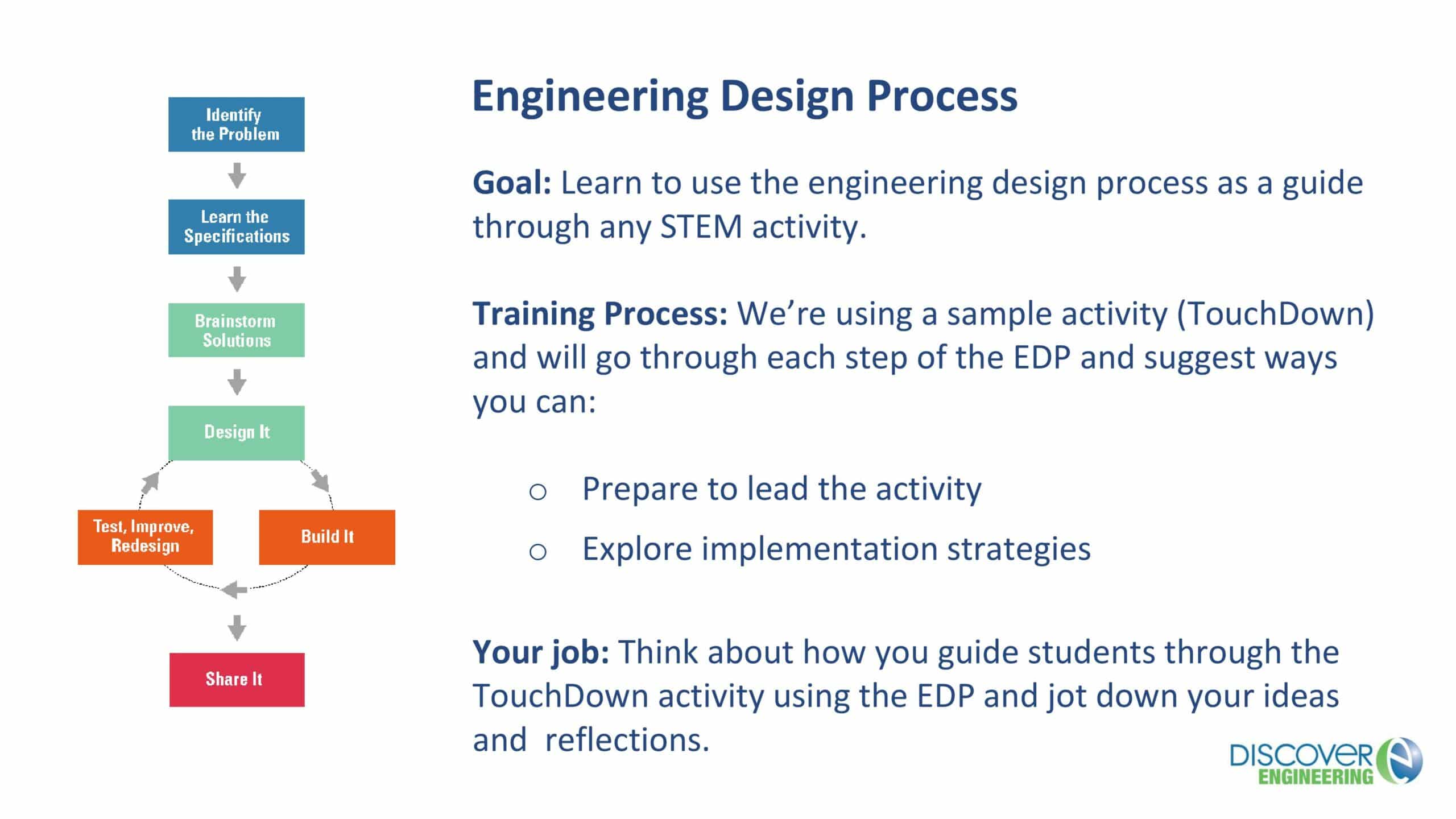
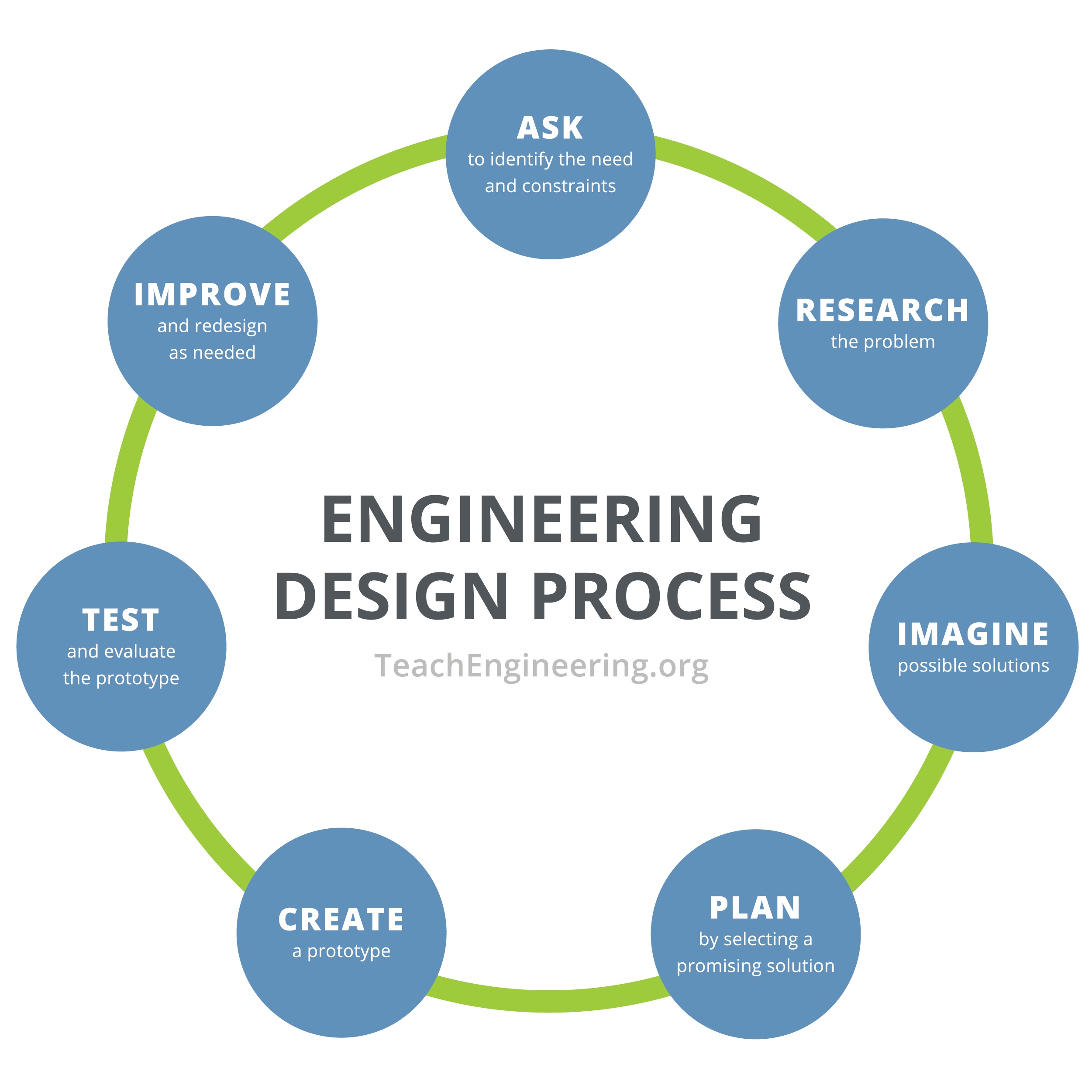
Involve industry experts, employees, experienced professionals, and other stakeholders in the brainstorming process to get multiple perspectives. It's also important to remember that the process is iterative, and steps may be repeated as needed to achieve a specific objective. These features combine to create a method that produces innovative thinking and multiple solutions to complex problems. The most common reason for this failure is a lack of need for the product. Successful products aren't just innovative ideas, they're solutions to problems shared by groups of people. This involves brainstorming, sketching, and exploring different ideas.
What is the Engineering Design Process?
The engineering design process is iterative, meaning that engineers often repeat some or all of the steps several times to refine their solution. It is a critical component of the field of engineering, as it allows engineers to solve complex problems and create new products and technologies. Effective use of the engineering design process requires a strong understanding of engineering principles, scientific methods, and mathematical analysis.
Stages of the Engineering Design Process
Students are asked to design a hockey stick for a school’s new sled hockey team. Using the engineering design process, students act as material engineers to create hockey sticks that have different interior structures using multiple materials that can withstand flexure testing. Students learn how biomedical engineers work with engineers and other professionals to develop dependable medical devices. Student teams brainstorm, sketch, design and create prototypes of suction pump protection devices to keep fluid from backing up and ruining the pump motors. Student teams are challenged to design assistive devices that modify crutches to help people carry things such as books and school supplies. Given a list of constraints, including a device weight limit and minimum load capacity, groups brainstorm ideas and then make detailed plans for their best sol...
Product
Use your notes to investigate the areas where the prototype under-performed and consider ways to improve these specific issues. To develop an effective solution, you must clearly define the problem, any known constraints to solving it, and the end user's needs. Architectural DesignArchitectural design is a concept that focuses on components or elements of a structure translating the non-physical design problem into the physical building product. Industrial DesignIndustrial design is the practice of designing products for mass production.
Create: Prototype party
The engineering design process allows engineers to execute both small- and large-scale projects by applying scientific knowledge to the solution of technical problems. Understand the key principles and techniques of engineering design that will help you to develop in this field. Following the engineering design process ensures a systematic approach, which helps in identifying potential issues early, optimizes resource use, and enhances the quality and performance of the final product. The Engineering Design Process is a series of steps that engineers follow to come up with solutions to problems. This structured approach ensures efficiency and effectiveness in the development of products or systems.
Communication of Design Solutions
The housing is made of 9ХС alloy steel (State Standard GOST 4543–2016). The technology developed includes eight machining operations, as well as marking, fitting, and monitoring. While these steps are not covered in this activity, a visual aid is provided for review. Commissioning ensures that a system or facility is designed, installed, and tested to meet the required specifications and performance criteria.
Engineering Design: Towards Inclusion & Belonging for ALL - Concordia University News
Engineering Design: Towards Inclusion & Belonging for ALL.
Posted: Sat, 27 Apr 2024 21:34:51 GMT [source]
Student groups program their robots to move freely without bumping into obstacles (toy LEGO people). Working individually or in pairs, students compete to design, create, test and redesign free-standing, weight-bearing towers using Kapla® wooden blocks. The challenge is to build the tallest tower while meeting the design criteria and minimizing the amount of material used—all within a time limit.
Fellow for Teams
Students explore how mass affects momentum in head-on collisions and experience the engineering design process as if they are engineers working on the next big safety feature for passenger cars. They design, create and redesign impact-resistant passenger vehicle compartments for small-size model car... Students apply what they have learned about the engineering design process to a real-life problem that affects them and/or their school. They choose a problem as a group, and then follow the engineering design process to come up with and test their design solution. Another significant benefit offered by simulation tools is virtual testing and validation.
Trial and erroneous product development
Retracing steps and going back to a previous decision is a common occurrence in the engineering design process. As new information is gathered or unforeseen challenges arise, engineers may realize that an earlier decision was not the best one. In such cases, it is important to reevaluate the decision, consider alternative options, and make a new decision based on the updated information. This process of reiteration and adjustment is a fundamental part of the design process, as it allows engineers to continually improve and refine their designs until they meet the desired specifications. Accepting that retracing steps is sometimes necessary can be challenging, but it is essential to maintain a flexible mindset and be willing to adapt as new information comes to light. By doing so, engineers can ensure that they are producing the best possible outcome for their project.
This step is important because it will introduce you to possibilities you may not have considered. If you work in engineering, you know how important processes are to the success of major projects. A structured process will describe how a task should be completed for the outcome to be successful. It’s a great way to nurture students’ creative thinking, help them see the benefits of teamwork, and place them at the center of their learning.
This stage can be ongoing through the length of your project and even after a product has been delivered to customers. Having listed potential solutions and determined the needs of the project alongside your research, the next step is to establish any factors that may constrain your work. This can be done by revisiting the requirements and bringing together your findings and ideas from previous steps. Module 2 focuses on navigating the design process, covering detailed exploration of design process steps, brainstorming and creative problem-solving techniques, and introduction to design constraints and considerations. Students are challenged to design and build wind chimes using their knowledge of physics and sound waves, and under given constraints such as weight, cost and number of musical notes it must generate. Biomedical engineers design, create, and test health technology that measure all sorts of physical functions in the body, including heartbeat.
Students employ the full engineering design process to research and design prototypes that could be used to solve the loss of sea turtle life during a hurricane. Students learn about sea turtle nesting behaviors and environmental impacts of hurricanes. Students engage in the second design challenge of the unit, which is an extension of the maze challenge they solved in the first lesson/activity of this unit. Students extend the ideas learned in the maze challenge with a focus more on the robot design. They are challenged to decide on specific design requirements, such as heavy traction or extra cushioning, and then use different materials to create working prototype shoes that meet the design criteria. In this maker challenge, students use the engineering design process to design a covering for a portable wheelchair ramp for their school.
Engineering design process is a structured approach to solving problems and creating solutions. The engineering design process is centered around creative thinking to promote the best solutions for a specific problem. It is typically carried out by multiple team members and encourages the use of failed projects as stepping stones to a better solution. The engineering product design process follows specific steps to ensure every possibility is explored.
Introduction Engineering design is the process of creating solutions to problems through the application of scientific, mathematical, and engineering principles. Engineering design is a critical aspect of any successful project, whether it be a product, system, or infrastructure. The engineering design process is a systematic approach to problem-solving that involves a series of steps and best practices.


No comments:
Post a Comment